Table of Contents
- Legal Framework Governing Dollar Cards in Nepal
- Who Can Get a Dollar Card in Nepal?
- Annual Spending Limit on Dollar Cards
- Banks Issuing Dollar Cards in Nepal (2026)
- Documents Required for a Dollar Card
- Step-by-Step Application Process
- What Can You Use a Dollar Card For?
- Fees and Charges
- Dollar Card vs. Virtual Dollar Card
- Common Mistakes and How to Avoid Them
- Penalties for Unauthorized Foreign Exchange Transactions
- How to Check Dollar Card Balance and Transaction History
- Tax Implications of Dollar Card Transactions
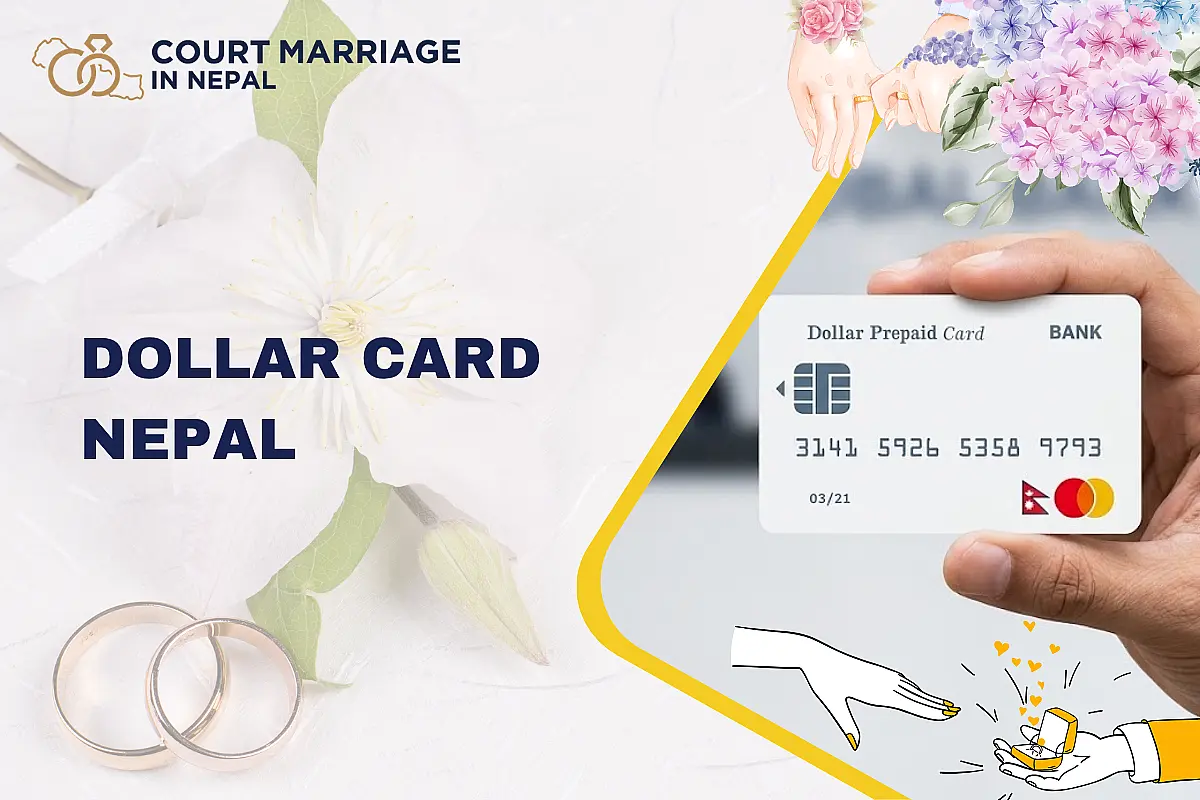
A dollar card in Nepal — also known as an international prepaid card, e-commerce card, or USD card — is a prepaid Visa or Mastercard issued by Nepali banks that allows cardholders to make online purchases from international websites in US dollars. Since Nepal Rastra Bank (NRB) restricts the use of regular Nepali debit and credit cards for international transactions, a dollar card is the only legal way for Nepali residents to pay for services like Netflix, Google Cloud, Amazon, Coursera, and other foreign platforms.
As of April 2026 (2083 BS), NRB permits licensed commercial banks and select financial institutions to issue prepaid dollar cards under the Foreign Exchange (Regulation) Act 2019 and the NRB Unified Directives. Understanding the rules, limits, and application process is essential to avoid penalties for unauthorized foreign exchange transactions.
Dollar card in Nepal is a prepaid international Visa or Mastercard issued by Nepali banks under NRB regulations. Cardholders can load up to USD 500 per year for personal online purchases from foreign websites. The card requires a valid citizenship certificate, PAN card, and a bank account with the issuing bank. As of 2083 BS (2026 AD), over 15 commercial banks in Nepal issue dollar cards with an issuance fee ranging from NPR 500 to NPR 1,500.
Trusted by 2,000+ couples from 50+ countries since 2016.
Speak with a court marriage lawyer today →
Legal Framework Governing Dollar Cards in Nepal
Dollar cards in Nepal operate within a tightly regulated foreign exchange framework. Several laws and directives govern who can issue these cards, who can use them, and how much foreign currency can be spent.
Foreign Exchange (Regulation) Act 2019 (2076 BS)
This is the primary legislation governing all foreign exchange transactions in Nepal. Section 3 of the Act grants Nepal Rastra Bank the sole authority to regulate foreign exchange transactions, including the issuance of international prepaid cards. Section 9 prohibits any person from conducting foreign exchange transactions without NRB authorization. Violations can result in fines up to NPR 500,000 and imprisonment under Section 15 of the Act.
NRB Unified Directives (Updated 2080/2081 BS)
The NRB Unified Directives provide detailed operational guidelines for banks issuing dollar cards. Directive 19 (Foreign Exchange Transactions) sets the annual spending limit, KYC requirements, permitted transaction categories, and reporting obligations. Banks must submit monthly transaction statements to NRB on all dollar card issuances and transactions.
Foreign Exchange Management Rules 2020 (2077 BS)
These rules supplement the Foreign Exchange Act by detailing the procedures for managing foreign currency within Nepal. They establish the framework under which banks can convert Nepali Rupees to US dollars for loading onto prepaid cards and define the documentation requirements for such conversions.
Who Can Get a Dollar Card in Nepal?
Not everyone is automatically eligible for a dollar card. NRB has set specific requirements that applicants must meet before a bank can issue an international prepaid card.
Eligibility Requirements
- Nepali citizenship: Must hold a valid Nepali citizenship certificate
- Bank account: Must have an active savings or current account with the issuing bank
- PAN (Permanent Account Number): A valid PAN card issued by the Inland Revenue Department is mandatory for all dollar card applicants
- Age: Must be at least 18 years old
- KYC compliance: Must have completed Know Your Customer (KYC) requirements with the bank
Who Cannot Get a Dollar Card?
- Individuals without a PAN card
- Persons on the NRB financial blacklist
- Minors under 18 years of age
- Foreign nationals residing in Nepal (they may use their international cards instead)
- Persons with frozen or inactive bank accounts
From our experience advising clients on financial documentation, we have seen applications rejected simply because the applicant's KYC had not been updated within the last year. Always verify your KYC status with your bank before applying.
Annual Spending Limit on Dollar Cards
NRB imposes a strict annual limit on the amount of foreign currency that can be loaded onto dollar cards. This limit applies per person, per fiscal year (Shrawan to Ashad, roughly mid-July to mid-July).
| Category | Annual Limit (USD) | Notes |
|---|---|---|
| Personal online purchases | 500 | Per person per fiscal year |
| IT/ICT businesses | 3,000 | For purchasing software, cloud services, SaaS tools |
| IT exporting companies (earning forex) | 5,000 | Must have documented foreign currency earnings |
| IT sector software/technology purchases | Up to 100,000 | Annual payment for software or technology procurement |
| Online earners (tech services) | Up to 25,000 | Annual payment for technology services |
| Education-related payments | Separate quota | Requires admission letter and university invoice |
| Medical treatment abroad | Separate quota | Requires hospital recommendation letter |
NRB Unified Circular 2082 Update (April 2026): Nepal Rastra Bank has significantly eased foreign exchange limits for the IT sector. IT/ICT businesses can now obtain prepaid dollar cards with a USD 3,000 annual limit for purchasing software and online services. IT companies that earn foreign currency through service exports can access up to USD 5,000 annually. Industries can make payments of up to USD 100,000 annually for software/technology purchases, and online earners are permitted up to USD 25,000 annually for technology services. The individual personal limit of USD 500 remains unchanged.
Important: For individuals, the USD 500 annual limit is a cumulative limit. If you hold dollar cards from multiple banks, the total spending across all cards must not exceed USD 500 per fiscal year. Banks are required to verify this through a centralized NRB database before loading funds. The enhanced IT sector limits require proof of business registration and, for the USD 5,000 tier, documented foreign currency earnings.
Banks Issuing Dollar Cards in Nepal (2026)
As of 2083 BS (2026 AD), the following major commercial banks issue international prepaid dollar cards in Nepal.
| Bank | Card Type | Issuance Fee (NPR) | Annual Fee (NPR) |
|---|---|---|---|
| Nabil Bank | Visa Prepaid | 500 | 500 |
| Nepal Investment Mega Bank | Visa Prepaid | 750 | 500 |
| NIC Asia Bank | Visa Prepaid | 500 | 500 |
| Kumari Bank | Mastercard Prepaid | 1,000 | 500 |
| Sanima Bank | Visa Prepaid | 500 | 500 |
| Global IME Bank | Visa Prepaid | 750 | 500 |
| Himalayan Bank | Visa Prepaid | 1,000 | 750 |
| Siddhartha Bank | Visa Prepaid | 500 | 500 |
| Citizens Bank International | Visa Prepaid | 750 | 500 |
| Machhapuchchhre Bank | Visa Prepaid | 500 | 500 |
Fees and card types may vary. Always confirm the latest fee structure directly with your bank, as NRB periodically revises guidelines and banks update their charges accordingly.
Documents Required for a Dollar Card
Prepare the following documents before visiting your bank to apply for a dollar card. Missing any one of these will delay your application.
| Document | Details |
|---|---|
| Citizenship certificate | Original and photocopy (both sides) |
| PAN card | Original and photocopy — mandatory under NRB directive |
| Passport-size photographs | Two recent photographs |
| Bank account statement | Active account with sufficient balance at the issuing bank |
| KYC form | Updated KYC with the bank (within last fiscal year) |
| Application form | Dollar card application form provided by the bank |
For married couples managing shared finances, each spouse must apply separately with individual PAN cards and citizenship certificates. There is no joint dollar card facility in Nepal. If you need assistance with legal documentation such as court marriage in Nepal certificates for updating your bank records, our legal team can help.
Step-by-Step Application Process
The process for obtaining a dollar card is relatively straightforward once you have all the required documents.
Step 1: Choose a Bank
Select a commercial bank that issues dollar cards. If you already have a bank account, applying at your existing bank is the fastest route since your KYC will already be on file. Compare issuance fees, annual fees, and card type (Visa vs. Mastercard) before deciding.
Step 2: Submit Application and Documents
Visit the bank branch with all required documents. Fill out the dollar card application form. The bank officer will verify your citizenship, PAN, and KYC status. Some banks now allow online application through their mobile banking apps, though document verification still requires a branch visit.
Step 3: Pay Issuance Fee
Pay the card issuance fee, which ranges from NPR 500 to NPR 1,500 depending on the bank. This fee is deducted from your bank account or can be paid in cash at the counter.
Step 4: Card Issuance
Most banks issue the physical dollar card within 3 to 7 working days. Some banks like Nabil Bank and NIC Asia offer instant virtual dollar cards through their mobile banking platforms, allowing you to start making online purchases immediately while the physical card is being printed.
Step 5: Load Funds
Load US dollars onto the card by converting Nepali Rupees at the bank's prevailing exchange rate. You can load any amount up to your remaining annual limit of USD 500. Loading can typically be done through internet banking, mobile banking, or at the bank branch.
Planning an international transaction for business purposes? Contact our legal team for guidance on foreign exchange compliance and documentation.
What Can You Use a Dollar Card For?
NRB permits dollar cards for specific categories of online transactions. Using the card for unauthorized purposes can result in the card being blocked and potential legal action.
Permitted Uses
- Online subscriptions: Netflix, Spotify, YouTube Premium, Apple Music, Amazon Prime
- Cloud services: Google Cloud, AWS, Microsoft Azure, domain hosting
- Software and apps: Adobe Creative Cloud, Microsoft 365, mobile app purchases
- E-commerce: Amazon, eBay, AliExpress (for personal use items only)
- Online education: Coursera, Udemy, Skillshare, edX course purchases
- Digital tools: Canva Pro, Zoom, Slack, professional tools
- Freelancer platforms: Upwork, Fiverr (for purchasing services, not receiving payments)
Prohibited Uses
- Cryptocurrency purchases: NRB has explicitly banned the use of dollar cards for buying Bitcoin, Ethereum, or any cryptocurrency
- Online gambling: Sports betting, casino, and poker platforms are prohibited
- Foreign stock trading: Purchasing stocks on international exchanges is not permitted
- Cash withdrawals abroad: Prepaid dollar cards cannot be used at ATMs outside Nepal
- Physical purchases abroad: Dollar cards are for online transactions only, not for POS purchases during foreign travel
Fees and Charges
Beyond the issuance fee, several other charges apply to dollar card usage. Understanding these fees helps avoid unexpected deductions.
| Fee Type | Typical Amount | Notes |
|---|---|---|
| Card issuance fee | NPR 500 – 1,500 | One-time, varies by bank |
| Annual maintenance fee | NPR 500 – 750 | Charged yearly |
| Loading fee (conversion) | 1% – 2% of amount | Exchange rate margin applied by the bank |
| Transaction decline fee | NPR 50 – 100 | Per declined transaction |
| Card replacement (lost/damaged) | NPR 500 – 1,000 | One-time for replacement card |
| Balance enquiry | Free – NPR 25 | Varies by bank and channel |
| Card closure/refund | NPR 200 – 500 | Remaining balance refunded in NPR |
The exchange rate applied during loading is the bank's selling rate for USD, which is typically 1 to 2 rupees higher than NRB's daily reference rate. Always check the rate before loading a large amount.
Dollar Card vs. Virtual Dollar Card
Several banks in Nepal now offer virtual dollar cards alongside physical cards. Here is how they compare.
| Feature | Physical Dollar Card | Virtual Dollar Card |
|---|---|---|
| Issuance time | 3–7 working days | Instant (via mobile app) |
| Physical card | Yes (Visa/Mastercard) | No (card number only) |
| Online purchases | Yes | Yes |
| POS/ATM use abroad | No (prepaid restriction) | No |
| Annual limit | USD 500 | USD 500 (shared limit) |
| Issuance fee | NPR 500–1,500 | NPR 0–500 |
| Security | Card can be lost/stolen | No physical risk |
| Availability | Most banks | Select banks only |
Virtual cards are particularly useful for one-time transactions or for users who prefer not to carry a physical card. The virtual card number, expiry date, and CVV are accessible through the bank's mobile app.
Common Mistakes and How to Avoid Them
Based on frequent issues reported by dollar card users in Nepal, here are the most common mistakes and how to prevent them.
- Exceeding the USD 500 limit: Attempting to load more than the annual limit results in rejection. Track your spending throughout the fiscal year
- Using the card for prohibited transactions: Cryptocurrency or gambling transactions can lead to the card being permanently blocked and potential penalties under the Foreign Exchange Act
- Not maintaining sufficient NPR balance: Your bank account needs sufficient Nepali Rupees to cover the dollar amount plus the bank's conversion margin
- Expired KYC: Banks can freeze your dollar card if your KYC has not been updated. Update KYC annually as required by NRB
- Ignoring subscription renewals: Automatic recurring subscriptions (like Netflix) will fail if the card has insufficient dollar balance, potentially resulting in service interruption and declined transaction fees
- Multiple cards across banks: The USD 500 limit is per person, not per card. Having cards from multiple banks does not increase your limit
Penalties for Unauthorized Foreign Exchange Transactions
Using unauthorized channels for foreign currency transactions — such as informal money transfers, VPN-based workarounds, or unauthorized payment gateways — carries serious legal consequences under the Foreign Exchange (Regulation) Act 2019.
| Offense | Penalty |
|---|---|
| Unauthorized foreign exchange transaction | Fine up to NPR 500,000 or imprisonment up to 3 years, or both |
| Operating without NRB license | Fine up to NPR 1,000,000 |
| Failure to report transactions | Fine up to NPR 200,000 |
| Assisting unauthorized transactions | Fine up to NPR 300,000 |
Section 15 of the Foreign Exchange (Regulation) Act 2019 empowers NRB to impose these penalties through administrative proceedings. In serious cases, NRB can refer the matter to the courts. Always use authorized banking channels for all international payments.
How to Check Dollar Card Balance and Transaction History
Most banks offer multiple channels for checking your dollar card balance and tracking transactions.
- Mobile banking app: View real-time balance, transaction history, and remaining annual limit
- Internet banking: Detailed transaction reports available for download
- SMS banking: Send a keyword to the bank's short code for balance updates
- Bank branch: Visit any branch of the issuing bank for a printed statement
- Customer service hotline: Call the bank's helpline for balance inquiries
Keeping track of your spending is essential given the strict USD 500 annual cap. We recommend checking your balance before every transaction to avoid declined payments and associated fees.
Tax Implications of Dollar Card Transactions
Dollar card transactions in Nepal have tax implications that users should be aware of. Under the Income Tax Act 2058, expenses made through dollar cards for business purposes may be deductible if properly documented. However, personal purchases are not tax-deductible.
Banks report dollar card transaction data to the Inland Revenue Department (IRD) as part of their regulatory compliance. Large or unusual patterns of dollar card usage may trigger a tax inquiry. Maintaining receipts and records of all international purchases is advisable.
For married couples filing joint tax returns, each spouse's dollar card expenses are reported under their individual PAN. There is no provision for combining dollar card limits between spouses.
Need legal advice on foreign exchange compliance, business documentation, or any legal matter in Nepal? Contact our experienced legal team for professional guidance.
Frequently Asked Questions
A dollar card is a prepaid international Visa or Mastercard issued by Nepali banks that allows cardholders to make online purchases from foreign websites in US dollars. It is the only legal method for Nepali residents to pay for international online services under NRB regulations.
The annual limit is USD 500 per person per fiscal year, as set by Nepal Rastra Bank. This is a cumulative limit across all dollar cards held by one individual, regardless of how many banks have issued cards to that person.
Major commercial banks including Nabil Bank, NIC Asia Bank, Nepal Investment Mega Bank, Global IME Bank, Kumari Bank, Sanima Bank, Himalayan Bank, Siddhartha Bank, Citizens Bank International, and Machhapuchchhre Bank issue dollar cards. Over 15 banks currently offer this facility as of 2026.
You need a Nepali citizenship certificate, PAN card, passport-size photographs, an active bank account with the issuing bank, updated KYC documents, and the bank's dollar card application form. All documents must be originals with photocopies for verification.
No. Nepal Rastra Bank has explicitly prohibited the use of dollar cards for purchasing cryptocurrency including Bitcoin and Ethereum. Attempting such transactions can result in the card being permanently blocked and penalties under the Foreign Exchange (Regulation) Act 2019.
A physical dollar card typically takes 3 to 7 working days after application. Some banks offer instant virtual dollar cards through their mobile banking apps, allowing you to start making online purchases immediately while the physical card is being prepared.
The issuance fee ranges from NPR 500 to NPR 1,500 depending on the bank. Annual maintenance fees are typically NPR 500 to NPR 750. Banks also charge a 1 to 2 percent conversion margin when loading US dollars onto the card.
No. Dollar cards are issued only to Nepali citizens with a valid citizenship certificate and PAN card. Foreign nationals residing in Nepal can use their existing international credit or debit cards for online transactions instead.
Yes. A PAN card is mandatory for all dollar card applications under NRB directives. You must obtain a PAN from the Inland Revenue Department before applying for a dollar card at any bank in Nepal.
Banks are required to verify your remaining annual limit before loading funds, so exceeding the limit is technically prevented at the loading stage. If any discrepancy occurs, NRB can impose penalties under the Foreign Exchange (Regulation) Act 2019 and the bank may block the card.
Yes. Online subscription services like Netflix, Spotify, YouTube Premium, Amazon Prime, and Apple Music are among the most common permitted uses of dollar cards in Nepal. Ensure your card has sufficient balance for automatic monthly renewals.
A dollar card is a prepaid card loaded with US dollars for international online purchases only. A credit card provides a credit line in Nepali Rupees for domestic transactions. Regular Nepali credit cards cannot be used for international online purchases due to NRB restrictions.
Yes. If a merchant refunds a transaction, the amount is credited back to your dollar card in US dollars. If you want to close the card entirely, the remaining balance is refunded to your bank account in Nepali Rupees at the prevailing exchange rate, minus any closure fee.
Dollar cards are governed by the Foreign Exchange (Regulation) Act 2019, the NRB Unified Directives (particularly Directive 19 on foreign exchange transactions), and the Foreign Exchange Management Rules 2020. Nepal Rastra Bank has sole authority to regulate these transactions under Section 3 of the Act.
No. The USD 500 annual limit is per individual, not per household. Each spouse must apply for their own dollar card with their individual citizenship certificate and PAN card. There is no joint dollar card facility or combined spending limit for married couples in Nepal.
Court Marriage in Nepal Pvt. Ltd. is Nepal's first registered law firm for court marriage services. Since 2016, our Nepal Bar Council-registered advocates have helped 2,000+ couples from 50+ countries with marriage registration, document preparation, and legal consultation. Whether you are a Nepali citizen or a foreign national, contact us today for confidential legal assistance.